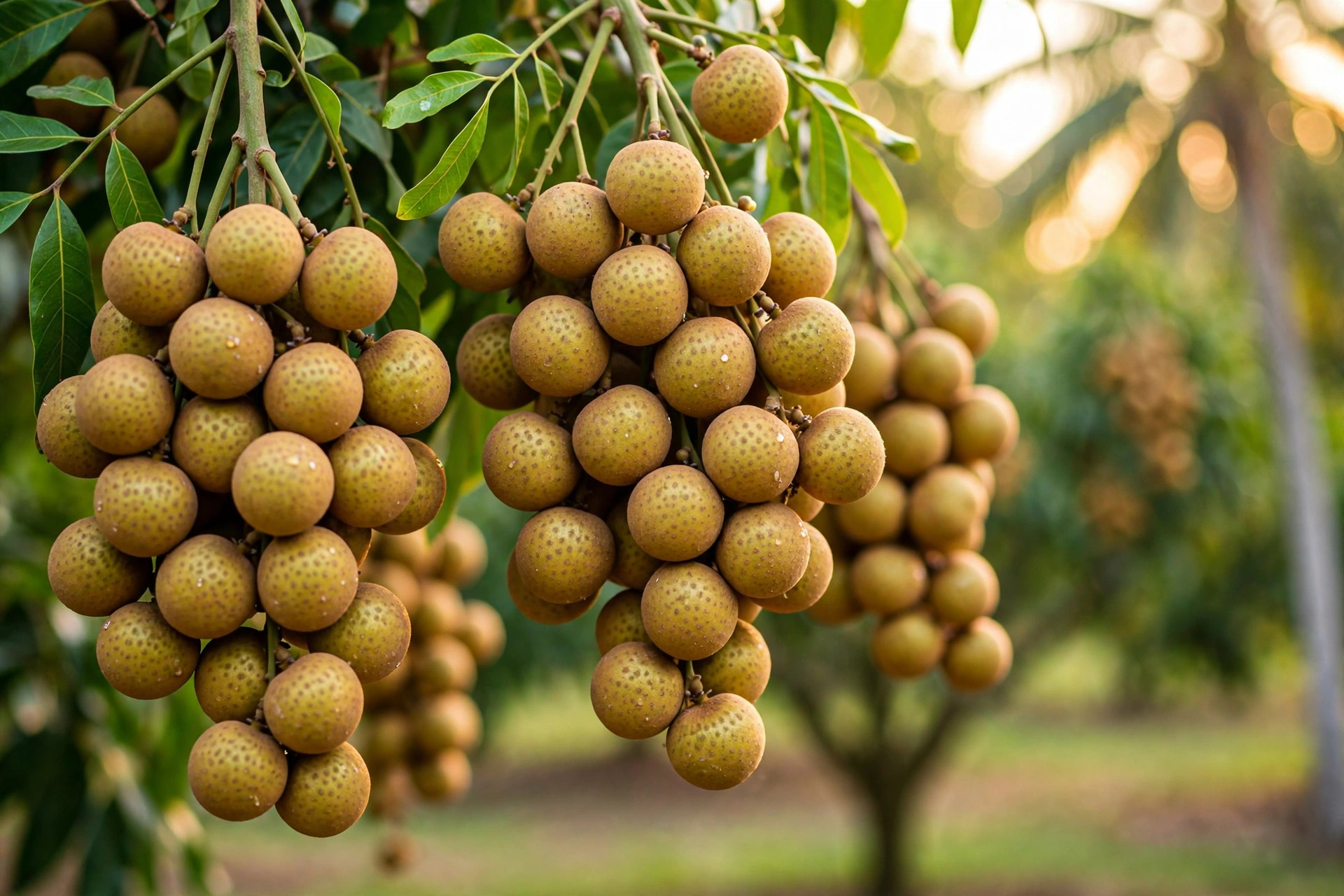
White Mulberry 'Saharanpur'
Morus macroura
“White/green honey-flavored fruit — a different species from the common mulberries.”
Background
A white-fruited selection of Morus macroura — the king white mulberry (shahtoot/long mulberry) of the Himalayas, Tibet, southern China, and Indonesia — from Saharanpur, India. It is a different species from the common black/red mulberries. Growers who have trialed it report it is indistinguishable from the trade names 'White Pakistan' and 'Australian Green,' all apparently the same macroura type (Burnt Ridge Nursery sells it as Morus macroura 'Saharanpur Local'). The species' ripe fruit is described as honey-sweet, and a chromosome-level genome assembly was published in 2026 highlighting its low chilling requirement and year-round fruiting potential.
Distinguishing traits
Long, white-to-pinkish fruit (not the common dark berry), honey-sweet with low acid and a soft, non-cloying sweetness. Medium-sized tree with a spreading, somewhat weeping canopy, distinct from Morus alba/rubra habit. Sweet, honey-flavored fruit — matches Matt's description of white/green honey-flavored fruit.
Desert care — zone 9b
- Chill hours
- Low (the species is noted for low chilling requirement); no exact verified figure
- Cold hardiness
- Trade sources list white-Pakistan-type macroura trees for USDA zones 6-10 (about 0 to -10°F); white-fruited macroura is generally reported hardy, but specific cold-hardiness data for the Saharanpur selection is thin — treat brief mid-20s°F freezes with normal young-tree protection.
- Heat tolerance
- Species is native to warm Asian regions and handles hot climates well; fruit quality is best with hot, sunny conditions.
- Water
- Regular deep watering during establishment and fruiting; moderately drought tolerant once established.
- Soil
- Adaptable to a range of soils; prefers well-drained loamy soil; tolerates alkaline conditions reasonably.
- Sun exposure
- Full sun.
Where to buy
- Burnt Ridge Nursery