Elite Suhosine Mulberry
Morus spp. (marketed as; true species is Debregeasia edulis, not a Morus)
“In the ground over a year with 'really cool orange red berries... ordered it online.' Elite Suhosine is a newer flavorful mulberry variety.”
Background
Important taxonomy flag: 'Elite Suhosine' is NOT a true mulberry. The plant sold under this name is Debregeasia edulis, a nettle relative (Urticaceae) from the Himalayas and East Asia that produces mulberry-like fruit. 'Elite' is an improved clone sold by One Green World — selected for slightly larger fruit, better flavor, and heavier production of the orange-red berries than their earlier clone (originally discovered as a seedling at Cistus Nursery). Background beyond the nursery's own account is thin: this is a new, obscure introduction with essentially no published breeding history.
Distinguishing traits
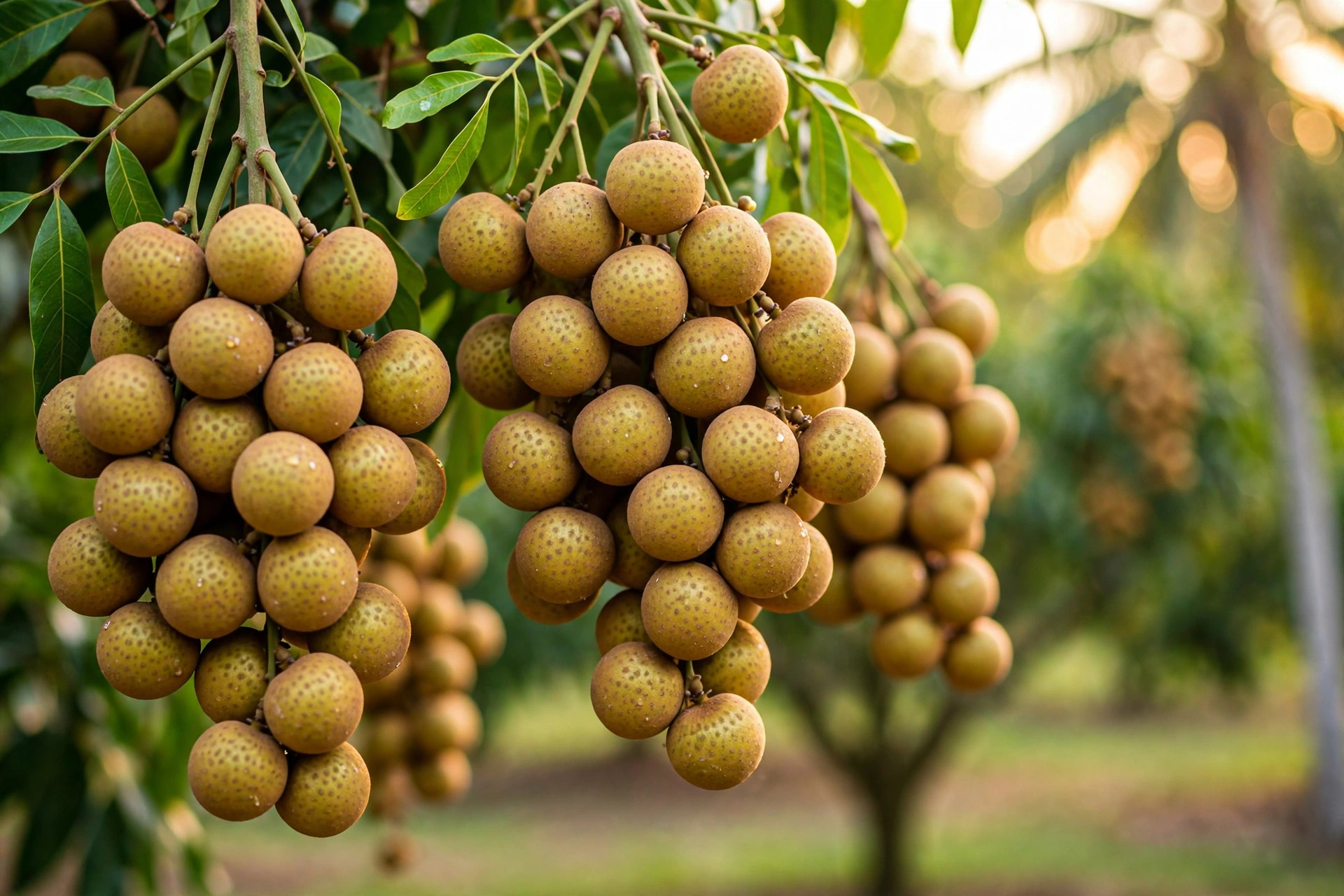
Small, round, orange-red berries borne directly on thick woody stems — caulifloric (fruiting on old wood rather than just new growth), a rare ornamental trait in temperate fruit plants. Mildly sweet, aromatic, strawberry-like flavor; good fresh or for wine and jam. Self-fertile clone. Glossy foliage makes an attractive quasi-tropical shrub to about 8 ft tall and wide; even sets fruit in fair shade.
Desert care — zone 9b
- Chill hours
- Not published; likely very low
- Cold hardiness
- USDA zone 8b; root hardy to at least 0°F but shoots are damaged at 15-20°F. One Green World's plants survived the 2021 ice storm and late frosts in Oregon and kept fruiting. Brief mid-20s°F freezes should be survivable, especially with shoot regrowth from hardy roots.
- Heat tolerance
- No verified desert-heat data — obscure in hot climates. The species tolerates part to nearly full shade, so afternoon shade in 115°F+ heat is strongly advised in Queen Creek.
- Water
- Keep soil evenly moist; dry it off a bit in September to harden off new growth before winter.
- Soil
- Evenly moist soil; tolerates a range of conditions including shade.
- Sun exposure
- Full sun to almost full shade; in the desert, plant in part/afternoon shade.
Where to buy
- One Green World