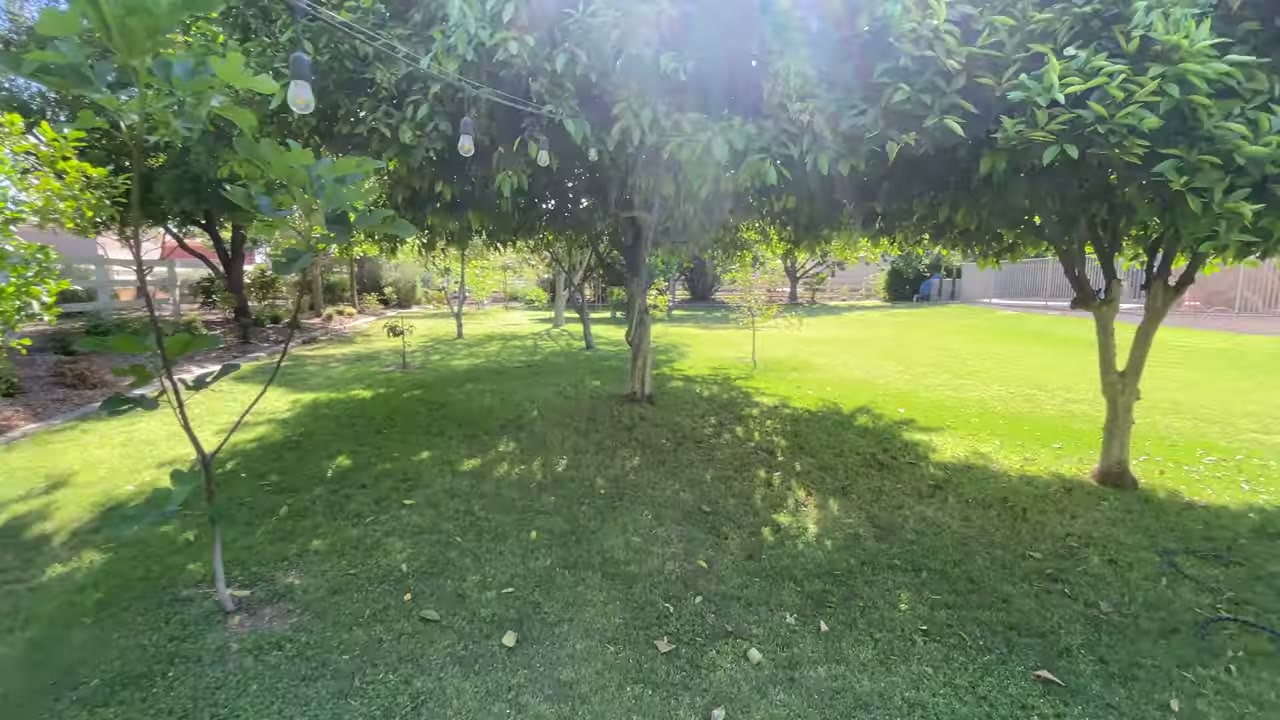
“Plumeria planted in the yard — referenced in the videos but not shown in detail. Cultivars unspecified.”
Background
Plumeria (dogbane family) is native to tropical Mexico, Central America, and northern South America. Plumeria rubra, the common frangipani, was described by Linnaeus in 1753; the genus honors French botanist Charles Plumier, and 'frangipani' comes from an Italian family whose marquess created a plumeria-scented perfume. Introduced to Hawaii in 1860, it became iconic across the Pacific; hundreds of named cultivars exist today, though Matt's are unspecified.
Distinguishing traits
Deciduous small tree to 20+ ft with thick, succulent branches and intensely fragrant waxy flowers in pink, white, yellow, or red, blooming summer through early winter. Rubra types are the most heat-tolerant; obtusa (Singapore) types prefer filtered sun and hold leaves longer.
Desert care — zone 9b
- Chill hours
- n/a — ornamental
- Cold hardiness
- Frost is the #1 danger; damage begins below 32°F. Cover with frost cloth when freezes threaten, or move pots against the house. Established in-ground rubras have survived brief dips to ~33°F. Leafless winter dormancy is normal.
- Heat tolerance
- Rubra types take full Phoenix sun (some leaf burn in the hottest months is acceptable); obtusa types need afternoon shade. Avoid planting near hot cement; pots on rollers let you chase shade in summer.
- Water
- Let soil dry fully between waterings; overwatering is the top killer. Summer: deep soak weekly for pots, every 2-3 weeks in ground; dormant winter: about monthly or less, never soaking.
- Soil
- Very well-drained, porous soil; never waterlogged. Light-colored pots prevent root-cooking in summer sun.
- Sun exposure
- Full sun in spring and fall for maximum bloom; filtered afternoon shade when temperatures exceed 100°F.
Where to buy
- Pali Plumies (Phoenix, AZ)