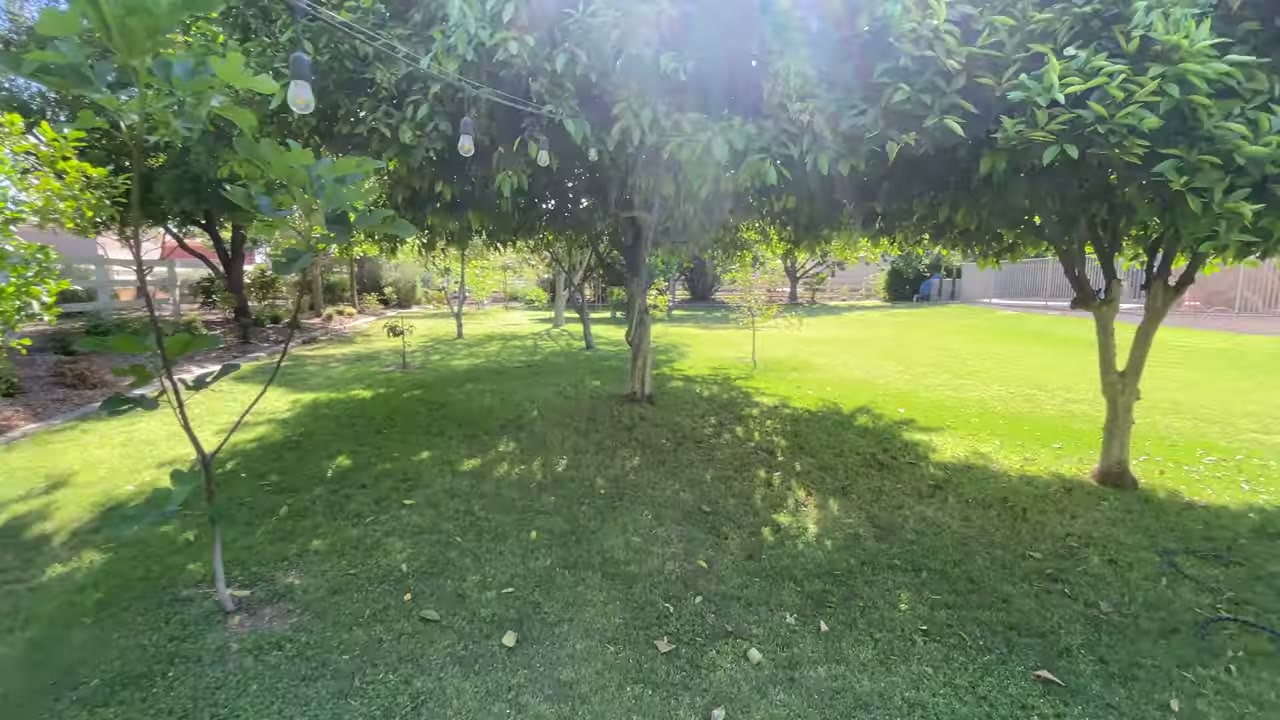
“Replaced a dead mature ash in the courtyard — 36-inch box, $750, from a Mesa nursery.”
Background
Pistacia atlantica, the Mount Atlas pistachio or Atlantic mastic, is a deciduous wild pistachio native from the Iranian plateau (Zagros Mountains) across North Africa to the Atlas Mountains and the Canary Islands. It is the most economically important wild tree of the Zagros, valued for its resin (saqez, or Cyprus turpentine) and oil-rich fruits; some identify it with the biblical terebinth ('Elah'). It is planted as a drought-tolerant ornamental shade tree and is widely used in California as rootstock for cultivated pistachios. The UA arboretum notes the species is named for the Atlas Mountains of North Africa where it grows, and its resin has been harvested for centuries.
Distinguishing traits
Deciduous tree, typically 15-25 ft in cultivation (to 50+ ft wild); flaking gray to reddish-brown bark; pinnate leaves; small greenish flowers and red-maturing drupes. Tough, long-lived, and deep-rooted. The UA arboretum describes Mount Atlas mastic as a slow-growing deciduous tree of 45-60 feet with a massive stout trunk and pinnately compound leaves.
Desert care — zone 9b
- Chill hours
- n/a — ornamental
- Cold hardiness
- Very cold hardy for the genus; established trees tolerate around 0°F (USDA zones 7+).
- Heat tolerance
- Extremely heat and drought tolerant; well adapted to desert conditions.
- Water
- Low once established; deep infrequent watering. The UA arboretum rates water use as moderate and notes it tolerates dry soil but needs a very sunny spot with deep, well-drained soil.
- Soil
- Dry, rocky, well-drained soils; tolerates poor soils.
- Sun exposure
- Full sun.
Where to buy
- Apothecary's Garden