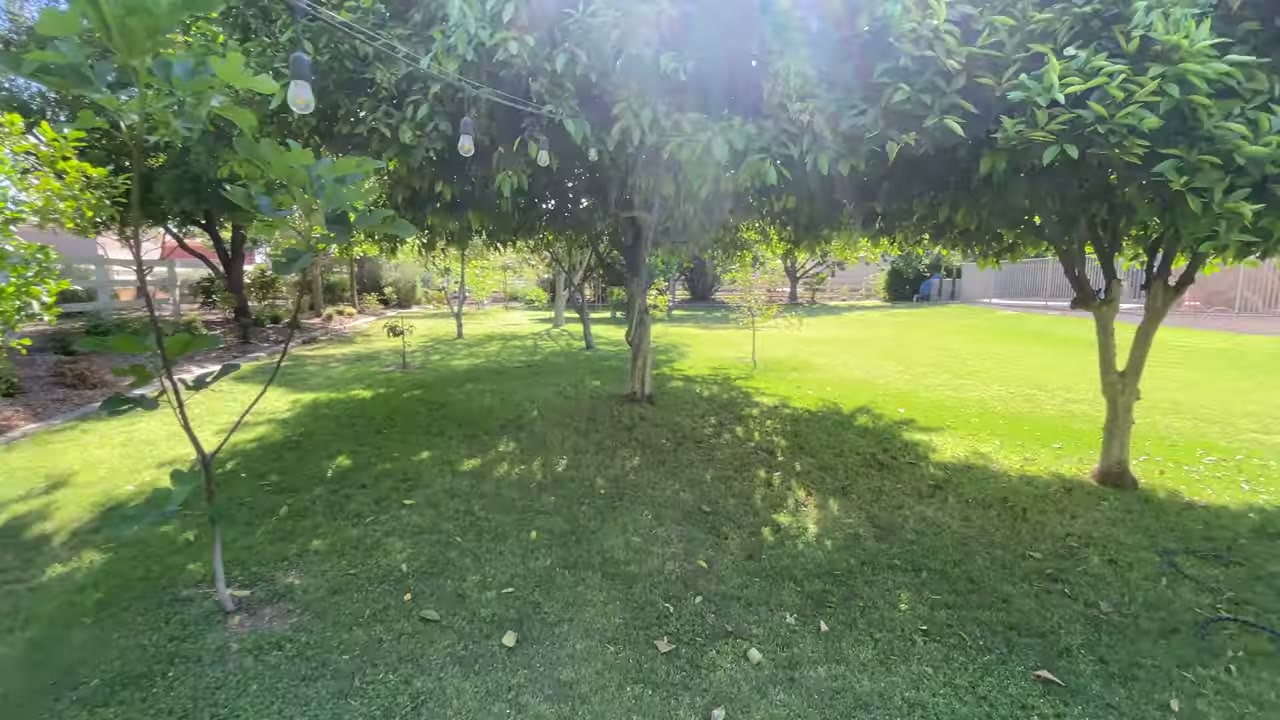
“'Huge success... evergreen... grows well in shade.' Lady palms in the shade zones.”
Background
Rhapis excelsa, the lady palm, is probably native to southern China and Taiwan — but it is not known in the wild; every plant in cultivation descends from long-cultivated garden groups. The Japanese first collected it for Tokugawa shogunate palaces; from there it spread to Europe and America, becoming a classic conservatory, mall, and office palm thanks to its low-light tolerance. The genus name is Greek for 'needle'; 'excelsa' (tall) is ironic, since it is not the tallest Rhapis. The UA arboretum notes lady palm is native to China and Taiwan but extinct in the wild, cultivated as an ornamental since at least the 1600s.
Distinguishing traits
Slow-growing clumping fan palm to about 10 ft; slender 1-in stems clothed in dark brown fiber; palmate leaves with 4-12 broad ribbed segments with ragged, saw-toothed tips. Dioecious; small creamy fruits. The UA arboretum describes lady palm as a multi-stemmed evergreen palm of 11-15 feet with fan leaves of narrow segments.
Desert care — zone 9b
- Chill hours
- n/a — ornamental
- Cold hardiness
- USDA 8b-11; cold hardy to about 20-22°F — one of the hardiest shade palms.
- Heat tolerance
- Avoid direct summer sun in Phoenix; needs shade and will scorch in full sun. Occasional misting helps in dry heat.
- Water
- Moderate; regular water, letting the top dry between waterings. Brown leaf tips are common; prefers slightly acidic soil. The UA arboretum rates water use as moderate.
- Soil
- Adaptable but prefers moist, well-drained, slightly acidic soil.
- Sun exposure
- Light shade to full shade — a true shade palm, matching Matt's shade-zone success. The UA arboretum notes leaf spots from excess sun; it tolerates indirect light.