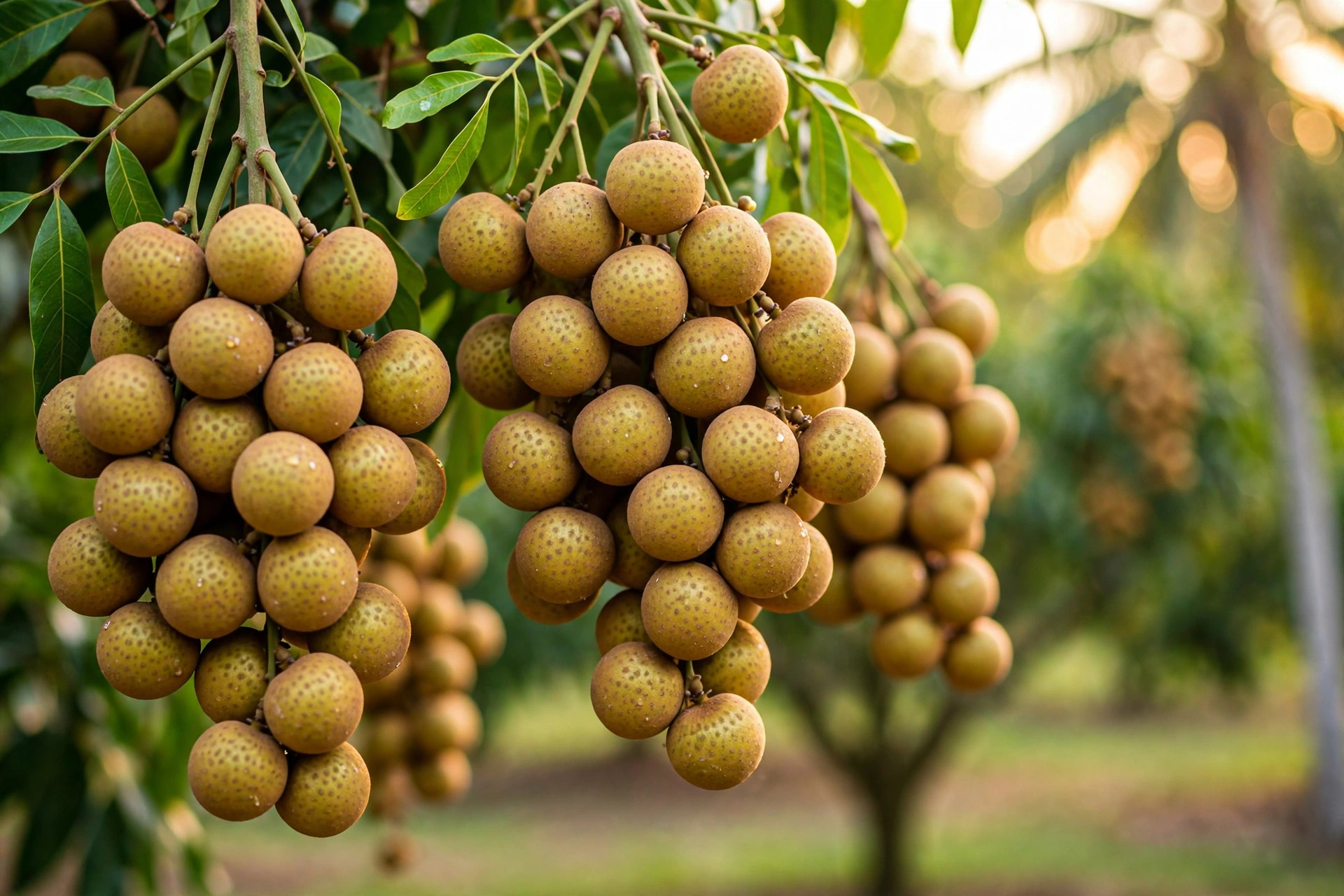
“The sweetest jujube I've tasted — like having a dessert. Top-tier fresh eating and completely at home in the heat.”
Background
From the USDA Plant Introduction Station's jujube program at Chico, California; nursery lore says it was discovered growing at the Chico research project in the 1950s. One nursery source (Planting Justice) credits USDA breeder Dr. William Ackerman with developing it in the mid-20th century, though detailed records of its parentage were not verified in this research. It emerged from the germplasm collected in China by agricultural explorer Frank Meyer starting in 1908.
Distinguishing traits
Large elongated fruit (~1.5-2 in), pointed at the far end, with exceptionally high sugar content (nurseries claim ~45%). Sweet apple-like flavor when fresh, rich date flavor when dried; dense, crisp flesh. Afternoon blooming type. Known for very light crops for roughly a decade before production kicks in (per Planting Justice). Partially self-fruitful but benefits from cross-pollination with Li or Lang. Neither precocious nor productive in early years (NMSU).
Desert care — zone 9b
- Chill hours
- 150-200
- Cold hardiness
- Hardy to about -10 to -20°F (USDA zones 5-9/6-11 depending on source)
- Heat tolerance
- Thrives in hot interior regions and extreme desert heat; extremely drought tolerant once established
- Water
- 4-8 gallons per week May through September; deep waterings, not shallow frequent watering. Caution: overwatering before the tree breaks dormancy can kill it; Texas root rot can be a problem in desert soils.
- Soil
- Prefers sandy, well-drained soils; tolerates many soil types but does poorly in heavy, poorly drained soil
- Sun exposure
- Full sun
Where to buy
- Green Acres Nursery & Supply (Dave Wilson Nursery)
- Bay Laurel Nursery
- Planting Justice