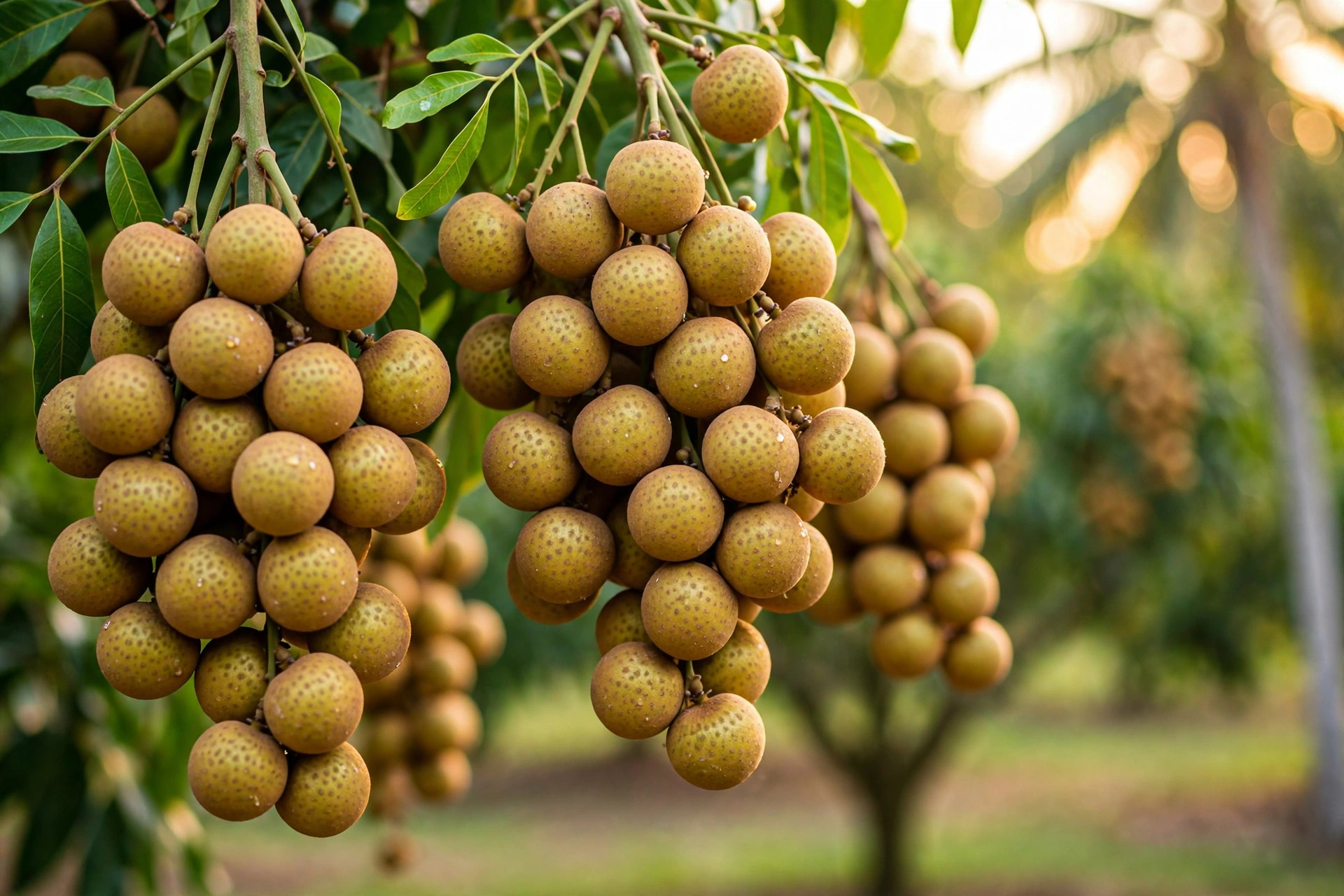
“'A dark purple jammy type of fig.' Premium fig being tested in the heat.”
Background
A dark purple-black fig with red pulp, widely regarded in fig-collector circles as 'perhaps the best tasting fig that exists' (figs4fun). Its origin is murky: the name points to Madeira, Portugal, but the popular U.S. variants originated in California — one widely grown strain came via Encanto Farms — and it was simply believed to have Madeiran origins. UC Davis holds an accession (DFIC0144). It is a late ripener that needs more heat and a longer season than most figs to develop its flavor. The UA arboretum notes figs were domesticated in the Near East around 11,400 years ago, millennia before other fruit crops.
Distinguishing traits
Dark purple (nearly black) skin, dark red jammy pulp, medium-sized fruit with a very unique, intense, berry-rich flavor. Late ripening; flavor and sweetness fall off after the first cold weather, so a long warm season matters. Tends to split in high humidity or rainy conditions — not a desert concern. The UA arboretum describes the common fig as a deciduous, low-branching tree with large lobed leaves, potentially bearing two crops per year.
Desert care — zone 9b
- Chill hours
- Low, roughly 100-200 hours (typical for warm-climate figs); no verified exact figure
- Cold hardiness
- Less cold-hardy than many figs; established trees handle brief dips into the high teens°F, but it ripens and flavors best where winters are mild and the season is long. Protect young trees during Queen Creek freezes. The UA arboretum notes a hard freeze kills it back to the ground, though it fruits on current-year growth.
- Heat tolerance
- Explicitly needs more heat and a longer season than most figs — Queen Creek's long hot summer is an asset for this one. Handles 115°F+ with water.
- Water
- Deep waterings during fruit development; tolerates dry heat well once established. The UA arboretum rates water use as moderate: water monthly while growing, rarely when dormant.
- Soil
- Well-drained soil; tolerates alkaline desert soils. Mulch and avoid waterlogging.
- Sun exposure
- Full sun.
Where to buy
- Just Fruits and Exotics